Frozen filled tires - how can you tell?

/ Frozen filled tires - how can you tell? #1  

FTG-05

Elite Member
Joined
Jan 7, 2011
Messages
2,593
Location
TN
Tractor
Kubota L4330 GST w/FEL, Kubota RTV-XG850, Kubota ZD326S
When I got my tractor +4 years ago, I knew the rear tires were filled but the previous owner didn't know with what. Hence, I followed the advice of my BIL, who's owned tractors all his life, removed all the old fluid, then refilled with 5 gallons RV antifreeze, the rest water (total of 55 gallons).

It's been in the low teens and mid-20s here all week (SC TN). How can you tell if the fluid is frozen without moving the tractor and possibly damaging the tires? Thankfully, I haven't had to use it since the Siberian weather came through a week or so ago.

Did a search, found nothing on frozen tires. If there's a thread out there, feel free to point me to it. I figure all the guys out there that live in Siberia (defined as anywhere north of the TN/KY border), surely someone here has had this problem before.

Thanks,
 
/ Frozen filled tires - how can you tell? #2  
Well... I guess take a hammer/rubber mallet and gently hit the sidewall of the tire.. it should make a different sound when frozen.. can't think of anything else besides opening the valve and seeing if water comes out or not
 
/ Frozen filled tires - how can you tell? #3  
Make a small volume of the same solution (a quart will do) put it in a gallon milk jug, place it next to your tractor and use that as your freeze gauge. Oh, drink the milk first.
 
/ Frozen filled tires - how can you tell? #4  
remember, RV antifreeze will turn to slush or even a bit thicker, it's selling point is the fact that it won't expand and bust pipes. If you have any doubt, don't move it the least little bit until it warms back up a bit. When the weather is over, drain a bit and put in your freezer to gauge your mixture, Tires are very expensive, don't take a chance.
 
/ Frozen filled tires - how can you tell?
  • Thread Starter
#5  
Make a small volume of the same solution (a quart will do) put it in a gallon milk jug, place it next to your tractor and use that as your freeze gauge. Oh, drink the milk first.

That brings up a good idea: See if I can drain a quart from one of the tires. if I get lquid, probably OK. If I get bumpkis, well there's my answer!

Thanks!
 
/ Frozen filled tires - how can you tell?
  • Thread Starter
#6  
remember, RV antifreeze will turn to slush or even a bit thicker, it's selling point is the fact that it won't expand and bust pipes. If you have any doubt, don't move it the least little bit until it warms back up a bit. When the weather is over, drain a bit and put in your freezer to gauge your mixture, Tires are very expensive, don't take a chance.

That's a good point and brings up another idea: lift the tractor and rotate the tire. If it's liquid, it will stay put. if it's solid, it will rotate until the heavy side is down.

Thanks!
 
/ Frozen filled tires - how can you tell? #7  
If you get liquid you may be good, I'm not familiar with the RV anti freeze but 5 gallons into 50 doesn't sound like it would give much freeze protection.
The problem with a tire that gets frozen is that there is a good possibility of tearing the tube, tubeless I have no idea what would happen, if it is froze it
will take a long time for that ice cube to melt, days.
 
/ Frozen filled tires - how can you tell? #8  
If you get liquid you may be good, I'm not familiar with the RV anti freeze but 5 gallons into 50 doesn't sound like it would give much freeze protection.
The problem with a tire that gets frozen is that there is a good possibility of tearing the tube, tubeless I have no idea what would happen, if it is froze it
will take a long time for that ice cube to melt, days.

It will do more than that -

my FIL's Yanmar was bought with under strength fill in it's tires

started to blow snow and made 1 trip down the driveway before he noticed the tires weren't rolling normally.

tore Both R 1 rear tire sidewalls out and he had to buy New tires :mad:
 
/ Frozen filled tires - how can you tell? #9  
When I got my tractor +4 years ago, I knew the rear tires were filled but the previous owner didn't know with what. Hence, I followed the advice of my BIL, who's owned tractors all his life, removed all the old fluid, then refilled with 5 gallons RV antifreeze, the rest water (total of 55 gallons).

It's been in the low teens and mid-20s here all week (SC TN). How can you tell if the fluid is frozen without moving the tractor and possibly damaging the tires? Thankfully, I haven't had to use it since the Siberian weather came through a week or so ago.

Did a search, found nothing on frozen tires. If there's a thread out there, feel free to point me to it. I figure all the guys out there that live in Siberia (defined as anywhere north of the TN/KY border), surely someone here has had this problem before.

Thanks,

An 11 to one ratio (5 gal. in 55 gal.) of RV antifreeze, is woefully inadequate for tire freeze protection.
Before determining what fluid to use, I decided to experiment.
I filled a 1qt. plastic milk container with 50% water, and 50% RV antifreeze, and put it in my freezer.
Bad idea!
Mixture froze solid (freezer temp 0 degrees).
I then tried 75% RV anti freeze.
Mixture was now soft ice.

Tried the same freezer experiment with STRAIGHT -20F rated WWF.
Excellent result!
No freezing at 0 degrees.
WWF cost $1.20/gal., but sometimes less when on sale.

On a personal note though:
Best "solution" for me is Florida.
I won't be going back North to my tractors until late April.
 
/ Frozen filled tires - how can you tell? #10  
RV antifreeze is already diluted for the right temperature. Diluted with straight water as in your tire will make it almost useless against freezing.

You should have used a antifreeze concentrate and mix it to the right levels for the temp needed for protection, or premixed for a certain temp protection.
 
/ Frozen filled tires - how can you tell? #11  
I read that RV antifreeze is supposed to be used full strength, not diluted. But then I never heard of it before either.

The antifreeze we get in Maine is either premixed and you use it full strength or you get it and add water according to the table and how much protection temperature wise you want. 70%antifreeze 30% water is common for cold climates.

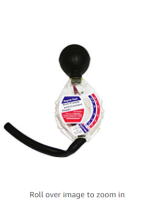
I saw this - "Make sure to use an antifreeze hydrometer and not one designed for use with checking the acid content of the fluid in your vehicle's battery. While hydrometers come in a wide variety of styles, the most common have little floating balls within it of varying colors or arrows that point to temperatures on a scale printed directly on the hydrometer that help determine the strength of the coolant solution.
Step 2: Read the hydrometer. To read the hydrometer, check out the number and color of floating balls, or where the arrows point on the freeze point scale printed on the hydrometer."

Collect some of the liquid from the tire in a cup and use the hygrometer to read it - Put the valve 1/2 way from top - press tip of valve needle and collect fluid that comes out.

Amazon.com: ABN Deluxe Antifreeze and Coolant Tester Hydrometer: Automotive

Captussssssssssssssssssre.PNG
 
/ Frozen filled tires - how can you tell? #12  
The best way to tell if your tires are frozen is to watch for them sweating (like a glass of ice water) on warmer moist days. IT wont work when temps are well below freezing though.
 
/ Frozen filled tires - how can you tell? #13  
I read that RV antifreeze is supposed to be used full strength, not diluted. But then I never heard of it before either.

The antifreeze we get in Maine is either premixed and you use it full strength or you get it and add water according to the table and how much protection temperature wise you want. 70%antifreeze 30% water is common for cold climates.

I saw this - "Make sure to use an antifreeze hydrometer and not one designed for use with checking the acid content of the fluid in your vehicle's battery. While hydrometers come in a wide variety of styles, the most common have little floating balls within it of varying colors or arrows that point to temperatures on a scale printed directly on the hydrometer that help determine the strength of the coolant solution.
Step 2: Read the hydrometer. To read the hydrometer, check out the number and color of floating balls, or where the arrows point on the freeze point scale printed on the hydrometer."

Collect some of the liquid from the tire in a cup and use the hygrometer to read it - Put the valve 1/2 way from top - press tip of valve needle and collect fluid that comes out.

Amazon.com: ABN Deluxe Antifreeze and Coolant Tester Hydrometer: Automotive

View attachment 534657

Using AUTOMOTIVE anti freeze in tractor tires is a TERRIBLE idea, if you have animals.
Spilled automotive antifreeze (ethelene glycol) will attract animals to the DEADLY sweet taste.
It doesn't take much!
If you love your dogs and cats......don't use it!
 
/ Frozen filled tires - how can you tell? #14  
Rim Guard® is nearly 30% heavier than water.
Rim Guard® is non-corrosive.
Rim Guard® is non-toxic and biodegradable.
Rim Guard® is freeze-resistant down to -35°F.
Rim Guard® is cost effective because inner tubes are not needed and tires are easier to repair.
Rim Guard® is the one and only Beet Juice™ tire ballast!
I use rim guard it was 2 or 3 dollars a gallon installed
 
/ Frozen filled tires - how can you tell? #15  
I read that RV antifreeze is supposed to be used full strength, not diluted. But then I never heard of it before either.

The antifreeze we get in Maine is either premixed and you use it full strength or you get it and add water according to the table and how much protection temperature wise you want. 70%antifreeze 30% water is common for cold climates.

I saw this - "Make sure to use an antifreeze hydrometer and not one designed for use with checking the acid content of the fluid in your vehicle's battery. While hydrometers come in a wide variety of styles, the most common have little floating balls within it of varying colors or arrows that point to temperatures on a scale printed directly on the hydrometer that help determine the strength of the coolant solution.
Step 2: Read the hydrometer. To read the hydrometer, check out the number and color of floating balls, or where the arrows point on the freeze point scale printed on the hydrometer."

Collect some of the liquid from the tire in a cup and use the hygrometer to read it - Put the valve 1/2 way from top - press tip of valve needle and collect fluid that comes out.

Amazon.com: ABN Deluxe Antifreeze and Coolant Tester Hydrometer: Automotive

View attachment 534657

RV anti freeze is designed for use in Rv plumbing system, non toxic and undiluted
 
/ Frozen filled tires - how can you tell? #16  
You'll know if your tire is frozen when you drive it. Mine came from the south and the previous owner added water as ballast.
I didn't know till the first winter and the rears were blocks of ice. I drained them as soon as it thawed but getting out all the water without dismounting the tire is tough.
I ended up adding windshield wiper booster made by rainx and it has taken care of the freeze issue. It's been -5 here the last few nights and the tires remain fluid.

Matt
 
/ Frozen filled tires - how can you tell?
  • Thread Starter
#17  
An 11 to one ratio (5 gal. in 55 gal.) of RV antifreeze, is woefully inadequate for tire freeze protection.
Before determining what fluid to use, I decided to experiment.
I filled a 1qt. plastic milk container with 50% water, and 50% RV antifreeze, and put it in my freezer.
Bad idea!
Mixture froze solid (freezer temp 0 degrees).
I then tried 75% RV anti freeze.
Mixture was now soft ice.

Tried the same freezer experiment with STRAIGHT -20F rated WWF.
Excellent result!
No freezing at 0 degrees.
WWF cost $1.20/gal., but sometimes less when on sale.

On a personal note though:
Best "solution" for me is Florida.
I won't be going back North to my tractors until late April.

Actually I looked it up yesterday at the Rimguard et al site and my 14.9-24 rear tires take 47 gallons. I have no idea where I got the 55 gallons from. :(

So it's slightly more than 10% concentration.

Freeze protection is dependent on temps. 10% *should be* good to around 20 degrees or so. Our temps here have been 15-25 for about a week or so. I store my tractor in my shop, so at least it's protected from the wind and the radiation to the cold sky.
 
/ Frozen filled tires - how can you tell?
  • Thread Starter
#18  
RV antifreeze is already diluted for the right temperature. Diluted with straight water as in your tire will make it almost useless against freezing.

You should have used a antifreeze concentrate and mix it to the right levels for the temp needed for protection, or premixed for a certain temp protection.

This was concentrated RV AF, good to -50 degrees. My only fault perhaps, was listening to my BIL. He's a pretty sharp farm guy, owns a very successful farm business and owns +14 tractors, mostly JDs.
 
/ Frozen filled tires - how can you tell?
  • Thread Starter
#19  
I read that RV antifreeze is supposed to be used full strength, not diluted. But then I never heard of it before either.

The antifreeze we get in Maine is either premixed and you use it full strength or you get it and add water according to the table and how much protection temperature wise you want. 70%antifreeze 30% water is common for cold climates.

I saw this - "Make sure to use an antifreeze hydrometer and not one designed for use with checking the acid content of the fluid in your vehicle's battery. While hydrometers come in a wide variety of styles, the most common have little floating balls within it of varying colors or arrows that point to temperatures on a scale printed directly on the hydrometer that help determine the strength of the coolant solution.
Step 2: Read the hydrometer. To read the hydrometer, check out the number and color of floating balls, or where the arrows point on the freeze point scale printed on the hydrometer."

Collect some of the liquid from the tire in a cup and use the hygrometer to read it - Put the valve 1/2 way from top - press tip of valve needle and collect fluid that comes out.

Amazon.com: ABN Deluxe Antifreeze and Coolant Tester Hydrometer: Automotive

View attachment 534657

I was looking at these today. They make one for ethylene glycol (regular AF = poison) and one polypropylene glycol (RV AF = nontoxic.).

Note that the one you linked is for the ethylene version. I plan to pick one of the PG versions up today when I go into town.
 
/ Frozen filled tires - how can you tell?
  • Thread Starter
#20  
The best way to tell if your tires are frozen is to watch for them sweating (like a glass of ice water) on warmer moist days. IT wont work when temps are well below freezing though.

I'll look for that tomorrow, it's supposed to be in the mid-40's here. I also plan to crack the tire valve and see if liquid comes out.

Thanks for all the help everyone!
 

Marketplace Items

UNUSED SDLANCH SDLC2030FT-20'X30' CARPORT (A60432)
UNUSED SDLANCH...
2010 Volkswagen Routan Van (A59231)
2010 Volkswagen...
2012 KINZE FLAT FOLD ROW MARKERS SET FOR 12 ROW 36/38 STACK FOLD TOOL BAR (A55315)
2012 KINZE FLAT...
207269 (A52708)
207269 (A52708)
GUN BOX FOR TRUCK BED (A60432)
GUN BOX FOR TRUCK...
2007 INTERNATIONAL DURASTAR 4300 BOX TRUCK (A58214)
2007 INTERNATIONAL...
 
Top