Compressing makes air HOT - (otherwise diesel engines wouldn't work :laughing

Hot air holds a LOT more moisture than cold air, so -
All that moisture laden air gets past your tank and into the lines,'specially during heavy use -
The further the wet air gets from the compressor, the cooler it gets -
Cool air has a "lower dewpoint", so now the air can't hold as much water, so -
The cooler water drops out into the hose on the way to your tools, so -
Continuing to use the tools causes that fast-moving air to CARRY (NOT absorb) the water in the hoses along with the air...
A filter HELPS some, but the only SURE way is to COOL the air BEFORE you use it - things like inter-coolers and AFTER-coolers actually WORK, but ain't cheap or easy fixes -
Til I get a few dozen more alligators clubbed, I'm in the same boat - right now my DevAire 5 horse 80 gal. has a built-in intercooler, an electric tank drain set to run 20 seconds every 20 minutes,
Electronic Automatic Tank Drain for Air Compressors - Air Compressor Accessories - Amazon.com
and one of these on the main output
Astro 2618 Air Control Unit, 12cfm Capacity - Air Compressor Accessories - Amazon.com
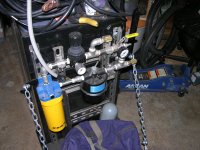
There's another one of those, along with one of these
Motor Guard M-1-KIT 1/2 NPT Clean Air Filter Kit - Air Compressor Accessories - Amazon.com
On my plasma cart -
View attachment 569626
Along with an onboard regulator to drop the compressor's 170# output down to 100 so the plasma doesn't get too excited
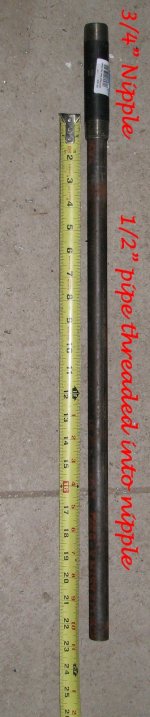
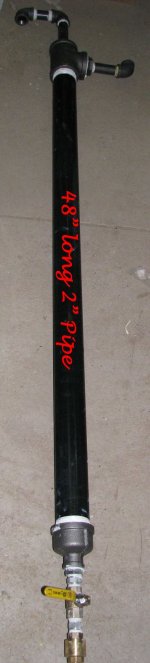
And MOST of that stuff probably wouldn't be NECESSARY, if I finally got that "round tuit" goin' and did a proper after-cooler setup
- but at least, I don't hafta worry about remembering to empty the compressor tank, and the autodrain only adds about an hour per day of run time (which in my normal day is small taters :=) ... Steve