Grumpycat
Super Member
So, you failed math.And since EVs get 0 MpG, they will be outlawed.
73,848 miles in my Tesla. 0 gallons. Miles divided by gallons is infinity.
So, you failed math.And since EVs get 0 MpG, they will be outlawed.

That won't work in Texas. We have temps in the 90s at midnight during summer. There is no solar being produced at that time. ERCOT keep telling us to limit power usage. What will happen with a million EVs charging overnight? I do realize some solar farms now charge batteries to pull power from during times where we don't get enough sunlight. I'm not turning off my a/c for people to charge EVs.


Simply... no. I think you're missing the point already argued several times in the preceding 27 pages. These are Corporate Average Fuel Economy (CAFE) requirements, and there will still be many vehicles made way under 58 mpg (if that's the new standard), just like there are many vehicles made today that are way below today's CAFE standards. In 2016, when I bought my 12 mpg SRT 392 (6.4L sedan), the CAFE standard was 34.0 MPG. No problem, if FCA made enough Fiat 500's and Dodge Darts to compensate the fleet average, for my gas hog.This is a de-Facto ban on ICE vehicles by 2032. The ICE technology has reached its peak and very little additional efficiency can be squeezed out of an engine.
Westinghouse was building modern modular nuclear reactors in China 15 years ago.Bill Gates and the other groups are only 1-3 years away from having the new modern and modular nuclear reactors ready for commercial use. Rather than the 70+ year nuclear technology that's currently in use.
Posers and virtue signalers today imposing such ridiculousness will be retired and sitting pretty when their foolishness actually has to be implemented. Which it will not.If the CAFE standard goes to 58 MPG in 2032, which remains to be seen, ...
I agree with you but for different reasons. I am 100% for urban/suburban residents voluntarily reducing their means of practical long distance travel.Simply... no. I think you're missing the point already argued several times in the preceding 27 pages. These are Corporate Average Fuel Economy (CAFE) requirements, and there will still be many vehicles made way under 58 mpg (if that's the new standard), just like there are many vehicles made today that are way below today's CAFE standards. In 2016, when I bought my 12 mpg SRT 392 (6.4L sedan), the CAFE standard was 34.0 MPG. No problem, if FCA made enough Fiat 500's and Dodge Darts to compensate the fleet average, for my gas hog.
If the CAFE standard goes to 58 MPG in 2032, which remains to be seen, they will still be making some vehicles that probably average under 20 mpg in real-world conditions. EV's, which use 0 gallons of fuel for each mile, will offset the fleet average to permit this.
The irony is that those of us wanting to continue driving big-displacement V8-powered vehicles should be praising and promoting EV's as much as possible, as more EV's in the hands of the masses is the only way automakers will be able to meet higher fleet averages (whatever the numbers may be), while continuing to make powerful gasser sports cars and trucks for those desiring them. Put other words, more moms driving EV's to the grocery store and school drop-off, saves more gas fleet margin for the rest of us!

Now that's pretty funny...I agree with you but for different reasons. I am 100% for urban/suburban residents voluntarily reducing their means of practical long distance travel.
I'll be here all week;Now that's pretty funny...

Westinghouse was building modern modular nuclear reactors in China 15 years ago.
 www.azocleantech.com
I understand the CAFE standards and the fleet average. But I truly believe this is a wolf in sheep's clothing. Couple the CAFE standards, with proposals being considered by the EPA for tightening tailpipe emissions, and there's no doubt what the future of ICE looks like.Simply... no. I think you're missing the point already argued several times in the preceding 27 pages. These are Corporate Average Fuel Economy (CAFE) requirements, and there will still be many vehicles made way under 58 mpg (if that's the new standard), just like there are many vehicles made today that are way below today's CAFE standards. In 2016, when I bought my 12 mpg SRT 392 (6.4L sedan), the CAFE standard was 34.0 MPG. No problem, if FCA made enough Fiat 500's and Dodge Darts to compensate the fleet average, for my gas hog.
If the CAFE standard goes to 58 MPG in 2032, which remains to be seen, they will still be making some vehicles that probably average under 20 mpg in real-world conditions. EV's, which use 0 gallons of fuel for each mile, will offset the fleet average to permit this.
The irony is that those of us wanting to continue driving big-displacement V8-powered vehicles should be praising and promoting EV's as much as possible, as more EV's in the hands of the masses is the only way automakers will be able to meet higher fleet averages (whatever the numbers may be), while continuing to make powerful gasser sports cars and trucks for those desiring them. Put other words, more moms driving EV's to the grocery store and school drop-off, saves more gas fleet margin for the rest of us!

Regardless of whether or not EVs catch on, the writing is on the wall for big-displacement V8s, and has been for some time, especially now where a much smaller engine can put out the same or greater HP than a V8 did not all that many years ago.The irony is that those of us wanting to continue driving big-displacement V8-powered vehicles should be praising and promoting EV's as much as possible, as more EV's in the hands of the masses is the only way automakers will be able to meet higher fleet averages (whatever the numbers may be), while continuing to make powerful gasser sports cars and trucks for those desiring them.
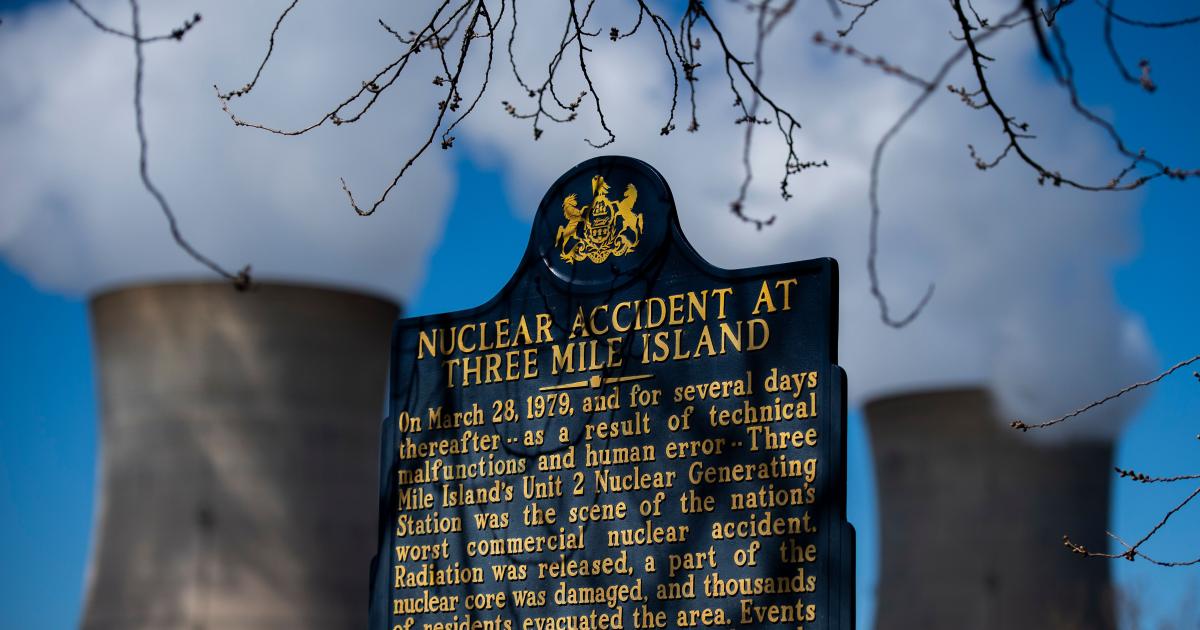
Nuclear's problems in the U.S. are strictly political, not technical. Unfortunately, the nuclear industry's arrogance and laxity towards security and safety has pretty much poisoned the well here. The Chinese government just does as it pleases without regard to what the citizenry feels.Westinghouse was building modern modular nuclear reactors in China 15 years ago.
This is only true to a point as it is only addressing drag (wind resistance).Let’s clear one thing up, the slower you go the better mpg you get.
I agree with the initial point, but it wasn't the industry, but the media and politics that led to high barriers to entry that allowed Europe and Asia to vastly outpace the US in nuclear energy production.Nuclear's problems in the U.S. are strictly political, not technical. Unfortunately, the nuclear industry's arrogance and laxity towards security and safety has pretty much poisoned the well here. The Chinese government just does as it pleases without regard to what the citizenry feels.
 www.heritage.org


