Is your black clay the type that has cracks in it several inches wide in summer? With that amount of movement, you either have to have beams to hold it all together, or it needs to float on the surface so it's not pulled apart. This is a highly localized issue that you will have to rely on your local experts.
What I really wanted to comment on is that the most common reason for cracks in concrete is because of too much water in the mix. A lazy crew, or one that's in a hurry will add as much water as they can get away with to the mix when the truck is pouring it so it flows easier. Water adds volume to the concrete mix, and when that water evaporates, you are left with less volume covering the same amount of area. This forces the concrete to crack. Rebar helps hold it together to it's less obvious, unless it was a lot of water, then you will have huge cracks no matter how much rebar is in there. You will know if too much water was used in less then a week. 95% of the time when I'm looking at cracks in concrete, it's because of water.
Cracking from the soil not being compacted is very rare. Most of the time, the concrete will span the void and nobody ever knows about it. This takes decades to happen. In the few cases where it was from poor soil prep, the most obvious issues is drainage that undercuts the foundation and the weight of the building collapses the concrete.
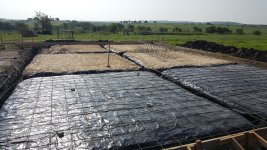
Rebar on 12 inch centers is going to be hard to walk through. 16 inches will allow you to use chairs and give everyone enough space to walk through the rebar. The second biggest lie told by concrete contractors is that they will lift it as they work. This is impossible and in most cases, they only do it for the first few minutes for pictures, and then abandon that lie completely to get the mud spread and screed. Number one lie is that they will use as little water as possible. You absolutely have to have chairs under rebar. If they do not have chairs, do not let them pour the concrete.