Home Builder Negotiation Questions

/ Home Builder Negotiation Questions #1  

rgood

Gold Member
Joined
Aug 8, 2007
Messages
347
Location
SW Iowa
Tractor
John Deere 3020
Guys, I have not yet started negotiating to have a home built, but I want to understand some things and get some ideas from you before I start.

1. When people say a house costs $135 a square foot to build, what all is included in that price. It probably varies from builder to builder, and I'm sure whatever it includes is in a contract. But, does it normally include a septic tank, water hook up, electric hook-up etc or are those "Extra costs"?


2. I want my builder to do most all of the work, but I figure I could negotiate with Lowes or someone for carpet installation and I could do the interior woodwork myself and I might do the tiling of floors. I'm guessing that builders like to do all of the work, because they can utilize their own subcontractors etc and more work is more money. So If I say I will do this, this and this by myself, but I will give them the opportunity to bid the whole thing, my concern then is that they will inflate the main price and say, "Well you only save X amount by us not doing the whole job."

Any insight into how to handle this?


I'm anticipating many people might reply "Just have 3 different builders bid the job" But we are located in the sticks and I'll be lucky if I can get one guy to bid the job.

Thanks
 
/ Home Builder Negotiation Questions #2  
Communication between you and builder extremely important.Have known
people just not ask example what grade carpet or what is in the contract.I
would hope your builder would itemize everything with prices.So you can make
the decisions that is best for you. Ask up front his fee percentage if you want to
take on some of building trades work. Ask about subcontractors he will be using. Check the company and quality of work yourself and if new sub is
hired you need to give OK before. Many builders relationships with homeowners go south because of bad work or unreliable subs. Very few builders do all the work themselves anymore. Most people find it stressful building a new home put if you get everything out up front it can be very
good experience. Good luck to you keep us posted how its going. Framer
 
/ Home Builder Negotiation Questions #3  
If you wana know how much contractors make, the cheapest bid my oldest Daughter could get for her house was 200,000. I redesigned it (made living space bigger) and built what she wanted for 150,000. I charged $20 hour and any help $10 :thumbsup::D;):confused2:
 
/ Home Builder Negotiation Questions #4  
Typically when you want to do things yourself the builder will give you an "allowance". This allowance is almost never the amount that it will cost you to do the particular phase yourself.

Negotiate a contract with your builder, but don't sign it. Take it to a trusted lawyer to review.
 
/ Home Builder Negotiation Questions #5  
As a northern builder for 20+years. ASK THE QUESTION! You'll need to set up a good relationship between you an the builder. Ask around for local builders. Ask the building inspector (most will talk off the record)about a builder that does most of the work himself, an is on the job with his guys.the more subs on the job the more problems you can end up with, one reason is if the subs don't get paid they can put a lean on YOUR,YOUR,new home.Always,always,always stay ahead of builder as far as paying for stuff.
Before you sign anything ask to see his work. Talk to people he has worked for.Then ask the building inspector if that's who did the work:)
You can always hire a "job oversee-er"I have done several of these an it takes alot of the load off you. You pay him a set fee for the visit to the job. or some get a % of the work he check's on.
Feel free to give me a call ill help in any way i can. for a cup of coffee. I don't do anything for $$$ers any more.
Army Grunt
11b40@bellsouth.net
 
/ Home Builder Negotiation Questions #6  
Wingrider you are missing a few key points.

First, was your help covered by Worker's Comp and a liability policy? Were they paid on the books or by cash? I'm a builder and my comp and liability add up to about 25% of what I pay in wages. Add in the associated costs of putting an employee on the books with Social Security, payroll tax, unemployment insurance etc...

Second, you make it sound like builders are getting rich. Nobody around here is, myself included. Should they do it for free or is it OK for them to make enough money to feed the kids?

Most of my work is done on a cost plus arrangement. I give the owner a detailed cost estimate based on the plans. I bill them my discounted cost for materials and subcontractors, and a fixed hourly labor rate. I then add 10% at the bottom of the invoice. The 10% covers my profit and overhead. If the project exceeds the estimated cost I suspend the 10%, basically working for free to finish the job.

This has proven to be a fair system for both parties over the 15 years I've been in business. Neither the owner or builder are at any risk and the owner knows exactly how much I will make on the project.

Communication and trust are the keys to successful construction projects. I do mostly high end custom homes and renovations. Many of them are second homes and the owners are not around much during construction. Typically I'm in touch with them almost daily, on the phone or emailing progress pictures.

My advice is to find a builder you like and have an open honest conversation about your expectations. Ask him what his profit will be and how he marks up materials and labor. If he won't look you in the eye and give you straight answers find someone who will.
 
/ Home Builder Negotiation Questions #7  
Before I interviewed builders I drove around looking at houses under construction with builder sign out front. That told me a lot about how they did things and materials used etc. I asked at the bank for a list of builders in good standing with them and recommendations from the loan officer. We spent about 3 years designing the house, materials we wanted, stone pattern, flooring, cabinets, etc. We did our best to have all the decisions made before we even hired anyone. We had a couple of 3 ring binders full of pictures and drawings. We had a large plastic storage tub full of materials samples. In short we made sure we were ready ...THEN we started looking for builders. We also went online with the county and looked up addresses and names of people the builders had done work for and cold called the clients. (Public records show mechanic lien contracts filed). We narrowed down the number of builders we would consider to 4 then interviewed them and got bids from 3. One pissed me off right off the bat by refusing to even look at our samples. He figured his materials would be fine. -- maybe - but his attitude wasn't. We took all our stuff to the interviews so they knew exactly what we wanted and what to bid on. No surprises from either side. The only glitches we've had so far has had nothing to do with the builder. (We picked out bathroom tile but 2 years later when we were ready for it - it was discontinued) ... there have been small things like that -- but the builder has been great. We're also out in the boonies. Builder has been supplying maps to his subs and he put up lots of signs on the roads coming out here. Someone mentioned that our realtor must have been an indian guide.:D
 
/ Home Builder Negotiation Questions #8  
Firstly, without a design and detailed spec. all you'll get is a rough rule of thumb on cost, no more.

Lots of factors impact on cost - the geometry of the building, how much articulation the facade has, how many windows and their size, whether you're building on flat ground or a slope, is the building single storey, two storey or more, the quality of materials, fixtures and fittings, etc. Normally I wouldn't include a septic system, road access, etc. into a rule of thumb for cost but some builders might.

Guidance I give my clients is anything from 200 - 500 is a reasonable range but we've one contract on the books at the moment that is costing over $1,000/sq.ft.

First step in the process is to prepare a BRIEF. Regard this as a wish list and a written description of what you want. You can prepare it with your family and it will help you crystallize your thoughts on what you want the building to be. I can send you a model brief I give clients with some questions and answers but the brief is very important - it's purpose is to define the questions to which the building design is the answer.

On military projects, the brief for a building is incredibly detailed and can run to several volumes - these guys really define what they want - but on a house it need be only 4 or so pages. Once we have the brief, I ask my clients to sign it because that's what I use as the basis for preparing the design. If the client asks for changes as we progress, I update the brief to reflect those changes.

Some of the questions the brief will ask: how many rooms, how big, open plan or cellular design, do you have a preference for one or two storeys (or more), what image, appearance and quality do you have in mind, is there likely to be a need for future expansion, what type of heating system, any fireplaces and if so, what sort, any need for a/c, etc.

Once you have the brief fleshed out, that's the time to begin the design. Begin the design without a brief and you can waste a lot of time preparing drawings that reveal what you don't want. With a good brief, the design needn't take long. With the design AND a specification, it's possible to prepare a detailed cost plan.

Cost plus contracts are one way to go but I'm wary of them. I've worked on cost plus contracts and they can abused. I built five military airbases in the middle east on cost plus 14%. Where one filing clerkess would have been enough for the office, we had five. I shared a five bed villa with one other guy and we had two house boys and a cook, all cost plus. I'm not saying all contracts are like this, they're obviously not, but generally cost plus gives no incentive to the builder to shop around on your behalf for best price materials or components. The more the job costs you, the more he makes. Rather than cost plus, I prefer a fixed fee, negotiated before the contract is signed but for a known design and specification. With a fixed fee the builder has no incentive to drive the cost up but gets a fair profit for his efforts. That's how we work. The fixed fee doesn't include managing a lot of changes. It will accommodate some but if during the works I'm involve in a lot of extra work moving walls, windows, adding features and fixtures here and there, the fee will adjusted to reflect the additional work. That's only fair.

As others have advised, getting the right builder is key. Good idea by army grunt to speak to the local building inspector. They have their finger on the pulse and will normally give you a list of three or four good contractors you can approach. Ask builders for references, speak to previous clients, go visit some houses. Most people are really proud of their buildings and will gladly show you around. Ask them about problems during construction, how was cost managed, was the building delivered on time, what were the problems along the way, what were the post construction defects that arose and did the builder attend to them in good time?

A good builder can save a lot of money on small items if he shops around for best prices. We get competitive quotes for all materials and components and over the lifetime of a job, that $50 saving here and $60 there will add up to thousands of dollars. So make sure your builder has a cost management policy in place and ask him for details of how he implements it. If he looks blank, he hasn't got one.

Last point, buildings are like anything else - you get what you pay for. We can't build silk purses for the price of sow's ears. When I'm faced with clients who have unreasonable expectations and think I can, I ask them what car they came in. When they tell me its an Audi or a BMW I ask if they got it for the price of a Pontiac, because that's what they're asking me to do in building terms. If they want their building to be a Merc, that's what they have to pay for, although I'll build them a Chrysler if that's what they want. I'll get them best value for that Chrysler but pulling rabbits our of hats isn't part of the service.
 
/ Home Builder Negotiation Questions #9  
If you wana know how much contractors make, the cheapest bid my oldest Daughter could get for her house was 200,000. I redesigned it (made living space bigger) and built what she wanted for 150,000. I charged $20 hour and any help $10 :thumbsup::D;):confused2:

I hope these guys at $10/hour don't have families to feed or any necessities like rent, insurance, vehicles, gasoline, etc.
 
/ Home Builder Negotiation Questions #10  
I just started a house in Arkansas without a GC. Without a GC I have bids on every part of the house. I expect to complete the house for less than $90 a sqaure foot including low E windows, SIP panels, brick, granite countertops, custom cabinets, hardwood floors, builders risk insurance, etc.
 
/ Home Builder Negotiation Questions #11  
I just started a house in Arkansas without a GC. Without a GC I have bids on every part of the house. I expect to complete the house for less than $90 a sqaure foot including low E windows, SIP panels, brick, granite countertops, custom cabinets, hardwood floors, builders risk insurance, etc.

Even building for myself, I can't come close to those prices on our island. I recently renovated our guest cottage, 1,550 sq.ft. and did it on a budget using subs. only where I couldn't do the work myself. I didn't have to pay for any scaffolding or hire tools. Cost to me was in the $120k range and I didn't factor in any of my own time. New build would've been a good deal more.
 
/ Home Builder Negotiation Questions #12  
For $135 a ft, I could build you a VERY NICE house around here. Price for foot is only a working number for the area you are building. I have a friend from FL and from what he's told me about some of the requirements that go into a home, it could be very expensive compared to what it takes to build a house here.

Rule of thumb is to know what you want. Being unsure can be expensive. A house is a box. Building the box is easy, it's in finishing it off and making it pretty that you spend all the money.

Have it all in writing. You are in charge, not the contractor. It's your money and you are the one who has to live in it. Too often, I run into clients who fall into the trap that the builder wanted to do it this way, not their way. Sometimes it's a structural issue, but a lot of the time, it's not. The structural part of it should be figured out from the begining and not up for change once you get started.

Most General Contractors sub everything out. You go over the plan with them, break down the budget and then it's his job to make sure it gets done and that it's done right. A good GC can save you money and turn it into a fun process. A bad one will cost you money and ruin your life.

Finding a good one is where it becomes challenging. In every case that I've come across a bad contractor, it's because he was a friend, or they really liked him when they met him. While word of mouth and recomendations are the best, you have to realize that some people recomened their friend or family member because they want them to get some work and make money. They don't know what their abilities are, or understand that the reason he's not working is that nobody wants to hire him. Be very careful of an out of work contractor. There is plenty of work out there, and the good ones are busy. Never be in a rush to start, especially if you find a really good GC and he's busy on other jobs. There is a reason he's busy and the other guy isn't. All the talk about the economy just means that the so so guys can't get away with the way they have been doing things.

No matter what, talk to at least five General Contractors. Get bids from all of them and check out their refrences. NEVER hire anybody until you have done this. Some wont come back with a bid, some wont have any current refrences and some will come up with a vague bid that is open to all sorts of issues once you get started. The one you want will have current refrences, jobs going on that you can go to, and a bid that includes a breakdown of what he will do and what it will cost.

A good bid will break down each part of the house and require you to decide on what you want. Flooring is a good example. The bid should have flooring mentioned and a price for you to use as a budget for flooring. Lets say it's $5 a sq ft and you have 2,000 square foot. Your bid will have a budget of $10,000 for flooring. You can then decide that you don't want that nice of a floor all over the house and are perfectly happy with carpet in some rooms for $2 a square foot. Or you might decide that you want something special in the family room that costs $10 a square foot, and you will increase the budget for that special feature.

The contract will include what will be done and when payment is due. Be sure to understand this to avoid confusion. Put it in writing and from day one, refer to it so that everyone involved understands that you are taking it seriously. NEVER pay for something until it is done to the point agreed upon in the contract. NEVER EVER advance anybody money for ANY reason. Some of these guys have serious addictions and lying is very easy for them. In my experience, the gamblers are the worse. Keep them hungry and they will do a great job for you. Give them a buck and they disapear until they need money again.

Most importantly, keep a portion of the final payment back until you are 100% done with the job. I can't even tell you how many jobs I've been to that they paid the contractor the final payment with a promise that they will come back and finish off the little things that needed to be done. They never show up and the home owner has to hire somebody like me to come in and get it done for them.

Good luck,
Eddie
 
/ Home Builder Negotiation Questions #13  
Trust but verify. One responder said to keep ahead of the builder with payments. DO NOT DO THIS. At the end of the job, even the "good ones" will do a walk through and if they are only owed 5 grand and there is 20 grand left to do - guess what, they walk out or do a crappy job. It happens - even with the "good builders" - you are the customer from H*** is how it will go down with them. Besides, the bank came out everytime I wanted to do a payment and took pictures. They would only release what was paid for. I know this made it difficult for the builder to get supplies, but that is what the down payment is for once the deal is sealed. Get the contract reviewed by a lawyer and make sure there is a timetable for completion and the consequences for it not getting completed on time - like subtracting all or part of the interest payments that you have to pay after the signed completion date. Good luck.
 
/ Home Builder Negotiation Questions #14  
Builders,
If I am looking to start building spring 2011, how soon should I be meeting with you???
Thanks Dave
 
/ Home Builder Negotiation Questions #15  
Builders,
If I am looking to start building spring 2011, how soon should I be meeting with you???
Thanks Dave

I'd suggest you should already have met. The poorer builders are the ones with clear diaries. Most good builders here are at least a season ahead, maybe two.
 
/ Home Builder Negotiation Questions #16  
Thanks for the info, got to get cracking on this,
Thanks Dave
 
/ Home Builder Negotiation Questions #18  
I would guess the time from when we found our builder and started building was at least two years. Might have been three.

I did the design and he built the design. I would not recommend this approach but I knew/know enough to do it and our builder was a PE to keep me out of trouble. But our house was not doing anything different structurally so it really was no big deal.

I would work up a design, at first detailed sketches and he would ball park guestimate the price. Once we figured out a price for the type of home we wanted I was able to discard ideas that made no money sense and finalize a design. That took time. But the builder was booked up so it worked out just fine.

We found our builder when looking at an energy efficient house kit. He was building the house from the kit. We went to the house site to meet the kit builder and look at the home. I pretty much knew going in that the kit did not make money sense and walking through the house and talking with the kit builder confirmed my decision. That walk through took less than an hour. We then spent a good two hours with the builder. And I went back to see him the next week for another talk. :D

When the wifey and I left that house site we looked at each other and knew we had found a builder. :D We became friends with him and is family. Not many people will say that about your builder. :laughing:

We did ask around about him and we talked to people who had worked with our builder. We were very comfortable with him. And trusted him. I think that is VERY important.

There were GC's I have talked to over the years that were very good and I trusted them. Others I would not let build a chicken coop out of found materials. Trust your gut on this.

Also know the personality of your GC. Our builder was cheap. :laughing: I do not mean this in a negative sense. But what he found acceptable in a house was not something we wanted. For instance he was ok with cheap base board that would be painted while we wanted a different look which of course was more money. He was ok with having contractor grade faucets but we were were not. His house was built this way and he and his wife were happy. This is not to say we have an expense house with gold plated faucets but I want something that I do not have to turn with a pair of pliers to shut off the water. :laughing:

Our build gave us allowances on things such as trim, painting, kitchen stuff, bath stuff, windows, doors, etc. We knew his allowance was going to be a lot less than the cost of the materials we wanted. We picked and bought much of the materials in the house which kept him out of having to buy the materials and we got what we wanted. But we had to have his budget and our add on budget to get a final price. Not a big deal and it worked out well.

He also would not add on charges to the extra allowances. I cannot remember the percentage he had to build the house 15% maybe. Since our material were adding to the cost of the house he did not charge us on the extra. Which he should not have done in any case. Putting in cheap toilet is not more expense than putting in one that cost $100 more.

Buying the materials you want in the house is very time consuming. We had worked out a deal with HD such that we got 10% off what we bought from them. We spent hours and hours and house in HD buying house materials. The staff knew us. :D Which is bad since it shows how much time we spent in the place. But it was worth the money savings and getting what we wanted.

Whatever you do, try to avoid making time your enemy. Having time as an enemy is going to cause problems. Take your time with this and do not rush. Do not put yourself into a position where you have to rush.

Later,
Dan
 
/ Home Builder Negotiation Questions #19  
I hope these guys at $10/hour don't have families to feed or any necessities like rent, insurance, vehicles, gasoline, etc.
Was my son working evenings after his regular job. Should have added I built most of this house by myself. Always wondered why it took so many people. :confused2:
 
/ Home Builder Negotiation Questions #20  
We finished our house a year ago. We started by looking at plans on the Internet. We decided on what we wanted and hired a designer to draw up the plans. Spent 3 months going back and forth till we got what we wanted. Took those plans, had copies made, and started meeting with contractors. We ended up using the same contractor that built our first house and were very happy with the results.

Two ways to hire a contractor. First is he will give you a price based on allowances for things like lighting, flooring, etc. If you want to spend more than the allowance to upgrade you pay the difference. If he estimated a part of the project high and it comes in cheaper he makes more profit.

Second is cost plus commission. You get an estimate of what it costs for each part of construction. You pay the actual cost plus a percentage, usually between 10% - 15%. Nice part about this is if the price is below the estimate you save money.

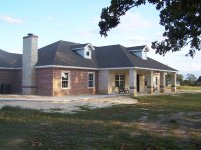
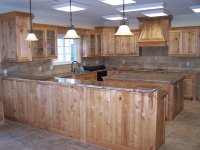
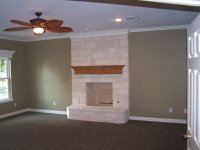
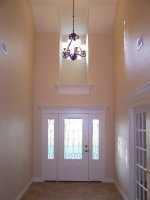
Here is what we ended up with. 3200 square feet heated and cooled, 5200 square feet under roof.
 

Attachments

  • 100_0838.jpg
    100_0838.jpg
    511.7 KB · Views: 182
  • 100_0808.JPG
    100_0808.JPG
    978.3 KB · Views: 194
  • 100_0806.JPG
    100_0806.JPG
    811.9 KB · Views: 161
  • 100_0814.JPG
    100_0814.JPG
    748 KB · Views: 159

Marketplace Items

KUHN KNIGHT SLINGER 8118 SPREADER (A63276)
KUHN KNIGHT...
2002 WACKER RD25 ROLLER (A59912)
2002 WACKER RD25...
2005 Butler pole trailer (A62679)
2005 Butler pole...
2016 JCB 3CX 4x4 Loader Backhoe (A64194)
2016 JCB 3CX 4x4...
Hr:1033.8 (A61572)
Hr:1033.8 (A61572)
2011 Terra Riser 300D-SA Fire Plow Attachment (A61572)
2011 Terra Riser...
 
Top