Looking for advice/ideas on sediment filtration for water coming out of a culvert - feeding a 5/8” water line

   / Looking for advice/ideas on sediment filtration for water coming out of a culvert - feeding a 5/8” water line #1  

KilroyJC

Elite Member
Joined
Mar 30, 2022
Messages
2,928
Location
Appalachia
Tractor
1962 Case 430, 1995 Craftsman Yard Tractor/mower, 1949 South Bend 9A Lathe, WoodMizer Lx55 sawmill, Kubota KX033-4 Mini-Excavator
DISCLAIMER: YES - I WILL TAKE AND POST SOME PICS LATER TODAY -

Our lot is in a little dead-end valley, and the part that will be farmable once I clear it out - it has not been tended in 50+ years, and there are a good number of substantial trees that need to come down first.

Up on the neighbor’s lot above us is a small, spring-fed pond which drains down two courses through our property. It is about 200’ higher than the bottom of our lot.

a dirt/gravel road goes up our lot to the upper reaches, and the courses run through culverts under the road.

they do not flow much - but they flow steady. They do combine and flow through the middle of our lower area, and the combined flow is probably not more than 15 gal/min and probably is less.

I ran about 700’ of 5/8” black irrigation tubing from the higher-flowing branch, and under the end of the culver pipe I suspended a two-gallon bucket stuffed with open-cell foam that the tubing is mounted to, and the bucket is angled such that the tubing is a couple inches above the bottom.

the problem is that it does not take long for sediment to build up in the bucket and restrict the flow. Because of the open-cell foam, the sediment is pretty fine, so it doesn’t really make a solid plug like a pebble would, but it is necessary to clean the bucket out and restart the siphon action every couple days.

does anyone have any suggestion as to a mechanical separation device or other filter setup that does not require external power that is self-cleaning or at least can go more than a few days at a time without emptying?

thank you!
 
   / Looking for advice/ideas on sediment filtration for water coming out of a culvert - feeding a 5/8” water line #2  
What about a 5gal bucket with a whole lot of holes and something like a Tshirt wrapped around it?

What is the water going into? Do you really need to separate the silt prior to going into the pipe?
 
   / Looking for advice/ideas on sediment filtration for water coming out of a culvert - feeding a 5/8” water line #3  
First thought is that the water must be picking up a lot of debris once it leaves the neighbor's pond before it gets to your pipe. Would your neighbor consider letting you run a pipe directly to his pond?

Second thought is you need a large storage tank like a 275 gallon water tote to collect the water and allow sediment to fall to the bottom of the bank along with a large drain pipe. Run your water line off the top of the tank, but be prepared to periodically drain the sediment from the bottom of the tank.
 
   / Looking for advice/ideas on sediment filtration for water coming out of a culvert - feeding a 5/8” water line
  • Thread Starter
#4  
What about a 5gal bucket with a whole lot of holes and something like a Tshirt wrapped around it?

What is the water going into? Do you really need to separate the silt prior to going into the pipe?
This was sortakinda a trial run, and due to space considerations by the pipe the 2 gallon bucket fit better. I will post pictures later and it will make more sense.

I want to keep bigger particles out because the ID is only 5/8 - if I had 4” pipe it wouldn’t really be an issue, but 600+ feet of 4” is a bit pricey, while two 500’ spools of 5/8 irrigation tube was about $120.
 
   / Looking for advice/ideas on sediment filtration for water coming out of a culvert - feeding a 5/8” water line
  • Thread Starter
#5  
First thought is that the water must be picking up a lot of debris once it leaves the neighbor's pond before it gets to your pipe. Would your neighbor consider letting you run a pipe directly to his pond?

Second thought is you need a large storage tank like a 275 gallon water tote to collect the water and allow sediment to fall to the bottom of the bank along with a large drain pipe. Run your water line off the top of the tank, but be prepared to periodically drain the sediment from the bottom of the tank.
hmmm. . . A couple of IBC totes on blocks. . . Acting like a mini-millpond. . . That could be a doable option. Thanks for the idea!

we just had a survey done last month, and the corner of the sortakinda rectangularish pond comes over our property line about 18 inches and we have about 4’ of “lakefront property” 😂🤣 so theoretically we could just put a pipe in, but then that run is over some “textured” terrain and would add about another 350’-400’ of piping, whereas gravity has already cut a watercourse. If I were going that route, I might as well just rent a track home and dig a pond where the two watercourses meet (which is something I already plan for the future - there are other things that need to be done first!) and that would provide about 30’ of head.

the main thing I am trying to accomplish with this is to be able to fill buckets easily and do some irrigation WITHOUT having to use buckets.
 
Last edited:
   / Looking for advice/ideas on sediment filtration for water coming out of a culvert - feeding a 5/8” water line #6  
2nd vote for IBC Totes!
Make 1 primary, 1 secondary.
 
   / Looking for advice/ideas on sediment filtration for water coming out of a culvert - feeding a 5/8” water line #7  
the corner of the sortakinda rectangularish pond comes over our property line about 18 inches and we have about 4’ of “lakefront property”
Be careful about taking water there, as just because you have a tiny sliver of "shore" doesn't mean you have rights to remove the water. Something that would need to be checked.

Two thoughts:

1. You might consider a hydraulic ram pump. They lose water downstream to enable the pumping action, but they require zero power and will pump up a hill. Maybe not usable for you, but I would investigate.

2. It's fairly common to wrap perforated pipe with a cloth or screen, then lay that pipe in a stream to collect filtered water. Similar to drain pipes that are installed in gravel behind a retaining wall-- wrapped first to keep debris out.

3. If you want to get the silt removed from water you have diverted, you have to slow the water down or still it to allow the silt to drop to the bottom. Otherwise the silt is carried along with the water. A series of cascading buckets or water storage devices might work well to collect silt. Of course most of the silt would get caught in the first bucket with less being caught in the next one(s.) The key is to slow the water down to allow the silt to settle.
 
   / Looking for advice/ideas on sediment filtration for water coming out of a culvert - feeding a 5/8” water line
  • Thread Starter
#8  
A little late, but I TOOK PICTURES!
 

Attachments

  • B2782E77-E1C7-40C5-A55B-5A9B9BBF35EF.jpeg
    B2782E77-E1C7-40C5-A55B-5A9B9BBF35EF.jpeg
    3.1 MB · Views: 248
  • E97A0B89-F4D7-4C90-B6D7-1979A34D482E.jpeg
    E97A0B89-F4D7-4C90-B6D7-1979A34D482E.jpeg
    2.7 MB · Views: 248
  • BA67508B-52BB-480C-90B7-9E7EB31837D1.jpeg
    BA67508B-52BB-480C-90B7-9E7EB31837D1.jpeg
    3.8 MB · Views: 243
  • 865D26BA-4824-4509-AA2A-B5D6BDED8D18.jpeg
    865D26BA-4824-4509-AA2A-B5D6BDED8D18.jpeg
    3.8 MB · Views: 268
   / Looking for advice/ideas on sediment filtration for water coming out of a culvert - feeding a 5/8” water line
  • Thread Starter
#9  
Be careful about taking water there, as just because you have a tiny sliver of "shore" doesn't mean you have rights to remove the water. Something that would need to be checked.

Two thoughts:

1. You might consider a hydraulic ram pump. They lose water downstream to enable the pumping action, but they require zero power and will pump up a hill. Maybe not usable for you, but I would investigate.

2. It's fairly common to wrap perforated pipe with a cloth or screen, then lay that pipe in a stream to collect filtered water. Similar to drain pipes that are installed in gravel behind a retaining wall-- wrapped first to keep debris out.

3. If you want to get the silt removed from water you have diverted, you have to slow the water down or still it to allow the silt to drop to the bottom. Otherwise the silt is carried along with the water. A series of cascading buckets or water storage devices might work well to collect silt. Of course most of the silt would get caught in the first bucket with less being caught in the next one(s.) The key is to slow the water down to allow the silt to settle.
ThNk you!

that is why I want to try to use the natural drainage courses from the pond that already exist - no neighbor problems. The water is coming onto my property already, why cause problems?

there is nowhere near enough flow for operating a ram pump, but where I want the water is lower anyway, so N/A.

looks like a series of IBC totes will be in my future!
 
   / Looking for advice/ideas on sediment filtration for water coming out of a culvert - feeding a 5/8” water line
  • Thread Starter
#10  
What about a 5gal bucket with a whole lot of holes and something like a Tshirt wrapped around it?

What is the water going into? Do you really need to separate the silt prior to going into the pipe?
Pics posted 😁
 
   / Looking for advice/ideas on sediment filtration for water coming out of a culvert - feeding a 5/8” water line #11  
First thought is that the water must be picking up a lot of debris once it leaves the neighbor's pond before it gets to your pipe. Would your neighbor consider letting you run a pipe directly to his pond?

Second thought is you need a large storage tank like a 275 gallon water tote to collect the water and allow sediment to fall to the bottom of the bank along with a large drain pipe. Run your water line off the top of the tank, but be prepared to periodically drain the sediment from the bottom of the tank.
Kilroy JC,

Please indicate what contaminants are of concern. Is it only silt or silt and small sand or could there be material that floats in the water you are receiving? I had a similar issue but my contaminants were silt and salamanders/ crayfish.

Looking forward to your response.
 
   / Looking for advice/ideas on sediment filtration for water coming out of a culvert - feeding a 5/8” water line #12  
Keep us posted.
I set up a tote to catch rain water off from my shed roof about 2014.

Attachments

  • water-tote.jpg
    water-tote.jpg
    579.3 KB · Views: 215
At the time the main uses were for a little wash water and water for the drip on my sawmill.
But several times I've REALLY needed water for things like flushing toilets and rinsing down vehicles and it's come in very handy. There are a lot of fittings available and you should be able to easily fit filters to irrigation piping and have a hands off watering system.
Just be sure to filter it VERY WELL and make sure algae (or anything else) doesn't clog it.
It's a royal pain to unclog a long thin pipe.
 
   / Looking for advice/ideas on sediment filtration for water coming out of a culvert - feeding a 5/8” water line
  • Thread Starter
#13  
Kilroy JC,

Please indicate what contaminants are of concern. Is it only silt or silt and small sand or could there be material that floats in the water you are receiving? I had a similar issue but my contaminants were silt and salamanders/ crayfish.

Looking forward to your response.
My concern is any particulate large enough to permanently obstruct a 5/8 ID tube about 700’ long. That would suck.

the bucket primarily fills with fine silt, but the open-cell foam pieces keep it from filling the tube - the foam clogs up, I pull the pieces out, rinse them, rinse the bucket, fill the bucket several times to start suction, stuff the foam back in, re-hang the bucket off the pipe.

I get full flow for a day or two, and then it dwindles over the next 3-5 days until the water stops.

lather rinse repeat
 
   / Looking for advice/ideas on sediment filtration for water coming out of a culvert - feeding a 5/8” water line
  • Thread Starter
#14  
Keep us posted.
I set up a tote to catch rain water off from my shed roof about 2014.

Attachments

  • water-tote.jpg
    water-tote.jpg
    579.3 KB · Views: 215
At the time the main uses were for a little wash water and water for the drip on my sawmill.
But several times I've REALLY needed water for things like flushing toilets and rinsing down vehicles and it's come in very handy. There are a lot of fittings available and you should be able to easily fit filters to irrigation piping and have a hands off watering system.
Just be sure to filter it VERY WELL and make sure algae (or anything else) doesn't clog it.
It's a royal pain to unclog a long thin pipe.
700’ of long thin pipe is exactly what I have!

which is why I am here, seeking assistance from more knowledgeable and experienced people 😁👍
 
   / Looking for advice/ideas on sediment filtration for water coming out of a culvert - feeding a 5/8” water line #15  
For a permanent solution, I would build a small concrete dam to form a pond of maybe 500-1000 gallon size, with an irrigation gate to flush it once in a while. Use a well point horizontally as your screened intake, a few inches under the surface.


Bruce
 
   / Looking for advice/ideas on sediment filtration for water coming out of a culvert - feeding a 5/8” water line #16  
My concern is any particulate large enough to permanently obstruct a 5/8 ID tube about 700’ long. That would suck.
KilroyJC,

Your water source is the end of the pipe so I suggest the following setup to eliminate anything short of bacteria in the water you are receiving.

2manyrocks' suggestion of a tote is a good one but with the following modifications. Between the water source ( culvert pipe end and the tote) I would place a open topped box with a divider in the middle to separate out the "big" stuff you don't want flowing into your tote. Pic attached. The box is a separator where you place a screen ( of your choice for mesh size ) on top of a divider ( solid wall ) at which you direct the water flow ( best choice is not directly at ( 90 degrees) but at a glancing angle so the screen is self cleaning) and the "filtered water passes thru the screen and the "waste" water flows away carrying debris ( leaves, frogs, chipmunks, sticks, chunks ) that would otherwise end up in your tote. This eliminates the need to clean your tote as frequently and eliminates most of the floating debris that gravity separation will not deal with. Now the tote. How much sediment you want to remove is dependent on whether you intend to pump the "filtered" water and whether or not sediment will damage the pump choice. You want a tote that is a rectangle since fine silt takes longer to sink due to gravity and any currents induced by taking water off the "clean" end of the tote. You want to add the water from the separator box by plumbing a bulkhead fitting into the tote at point halfway up the side wall and take your sediment free ( or near sediment free ) water off the tote at the farthest point away from the entry point. The reason for plumbing your feed water in at the tote's side is the sediment has shorter path to drop out of any possible currents within the tote and the clean water rises to the top. The tote needs to be open to the atmosphere otherwise it will pressurize and stop filling. You could cascade from first tote into second tote and then pump from second tote depending on how much water you need at each time you irrigate. You could also set up a float actuated switch to turn pump off when tote was near empty to prevent pump damage.

I will elaborate if any part is confusing.

Hope this helps.
 

Attachments

  • 1664656745417.png
    1664656745417.png
    125.6 KB · Views: 156
Last edited:
   / Looking for advice/ideas on sediment filtration for water coming out of a culvert - feeding a 5/8” water line
  • Thread Starter
#17  
For a permanent solution, I would build a small concrete dam to form a pond of maybe 500-1000 gallon size, with an irrigation gate to flush it once in a while. Use a well point horizontally as your screened intake, a few inches under the surface.


Bruce
Something like that is my ultimate goal, but right now I just need an”Good Enuf” solution!
 
   / Looking for advice/ideas on sediment filtration for water coming out of a culvert - feeding a 5/8” water line
  • Thread Starter
#18  
KilroyJC,

Your water source is the end of the pipe so I suggest the following setup to eliminate anything short of bacteria in the water you are receiving.

2manyrocks' suggestion of a tote is a good one but with the following modifications. Between the water source ( culvert pipe end and the tote) I would place a open topped box with a divider in the middle to separate out the "big" stuff you don't want flowing into your tote. Pic attached. The box is a separator where you place a screen ( of your choice for mesh size ) on top of a divider ( solid wall ) at which you direct the water flow ( best choice is not directly at ( 90 degrees) but at a glancing angle so the screen is self cleaning) and the "filtered water passes thru the screen and the "waste" water flows away carrying debris ( leaves, frogs, chipmunks, sticks, chunks ) that would otherwise end up in your tote. This eliminates the need to clean your tote as frequently and eliminates most of the floating debris that gravity separation will not deal with. Now the tote. How much sediment you want to remove is dependent on whether you intend to pump the "filtered" water and whether or not sediment will damage the pump choice. You want a tote that is a rectangle since fine silt takes longer to sink due to gravity and any currents induced by taking water off the "clean" end of the tote. You want to add the water from the separator box by plumbing a bulkhead fitting into the tote at point halfway up the side wall and take your sediment free ( or near sediment free ) water off the tote at the farthest point away from the entry point. The reason for plumbing your feed water in at the tote's side is the sediment has shorter path to drop out of any possible currents within the tote and the clean water rises to the top. The tote needs to be open to the atmosphere otherwise it will pressure and stop filling. You could cascade from first tote into second tote and then pump from second tote depending on how much water you needed at each time you irrigated. You could also set up a float actuated switch to turn pump off when tote was near empty to prevent pump damage.

I will elaborate if any part is confusing.

Hope this helps.
This is exactly the type info I am looking for, and no pumps are needed, as the culvert is approximately 80’ up from where I am sending the water - gravity is a wonderful thing!

basically I will be building a septic tank it looks like. . .
 
   / Looking for advice/ideas on sediment filtration for water coming out of a culvert - feeding a 5/8” water line #19  
This is exactly the type info I am looking for, and no pumps are needed, as the culvert is approximately 80’ up from where I am sending the water - gravity is a wonderful thing!

basically I will be building a septic tank it looks like. . .
I guess that's one way to describe it. Water source feeding a separator feeding into septic tank feeding into a water storage tank that you pump from.

Sorry the separator is crude hand drawing but a quick way to describe how to have a self cleaning means of mechanically separating the big stuff that you don't want entering your gravity settling tank.

The separator is a box with big holes in the opposite sides to allow waste to flow freely away and a wall between waste side and "filtered" side to prevent cross contamination. The "box" has a bottom so it can be weighted and does not slide away from water being directed at screen.

You want to cascade the water from first tote to second tote to prevent the high currents, induced when withdrawing irrigation water, that may prevent silt from fully dropping out while in first tote. Residence time, when using gravity separation, is critical when working with very fine particles.
 
   / Looking for advice/ideas on sediment filtration for water coming out of a culvert - feeding a 5/8” water line #20  
The bigger, deeper and more time in your settling reservoir the better. They do make black plastic IBC totes that hold up better in sunlight and prevent algae growth. Stainless steel too.

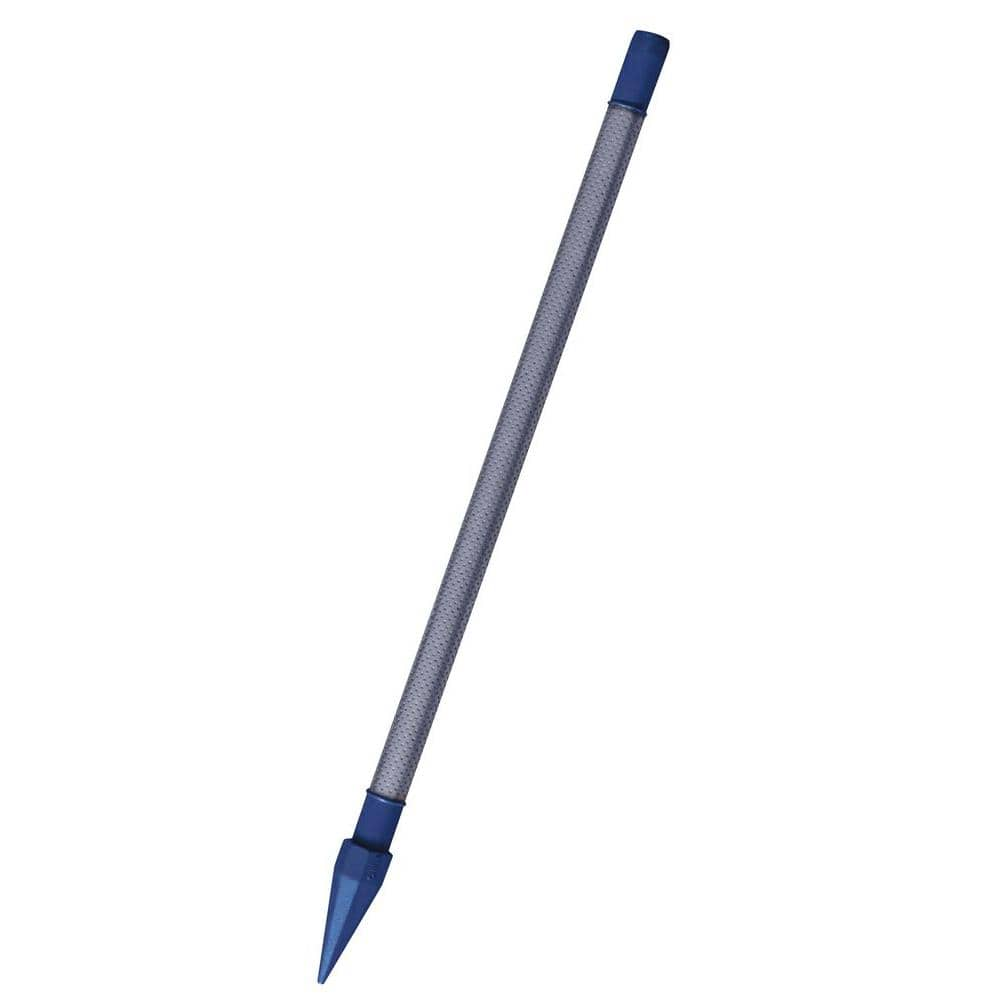
Or 4” diameter deep well pump lays in our spring inside a 6” pvc sand screen pipe. It’s got hundreds of very thin slits made for well pumps. Places the service well pumps have them. Since our pump is in flowing water it is essentially self cleaning as we pump to a cistern 1/2 mile and 225’ elevation for less than a hour a day. On timer so automatic. Houses have extra filtration.

If you have means to cistern the water at the discharge and periodically pump some back to back flush the filter might work to automate your system?
 

Tractor & Equipment Auctions

2015 CATERPILLAR 930M LOADER (A58214)
2015 CATERPILLAR...
2019 Dodge Grand Caravan Van (A59231)
2019 Dodge Grand...
2022 John Deere 1025R (A53317)
2022 John Deere...
2023 CAN-AM DEFENDER RTV (A59823)
2023 CAN-AM...
Caterpillar 2PD5000 5,000LB Diesel Forklift (A56857)
Caterpillar...
2019 Ford F150 XL (A57148)
2019 Ford F150 XL...
 
Top