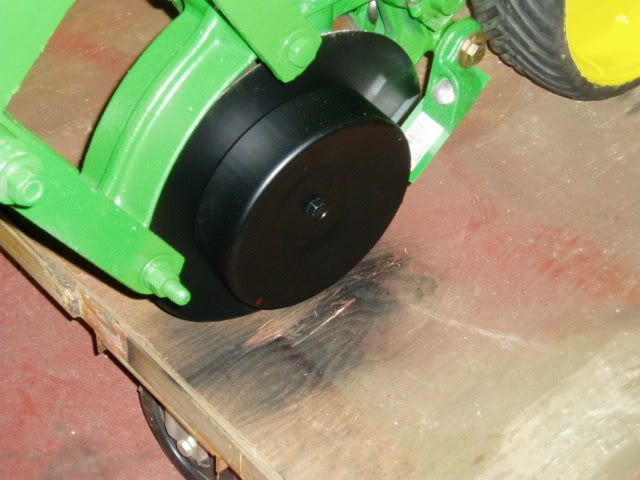
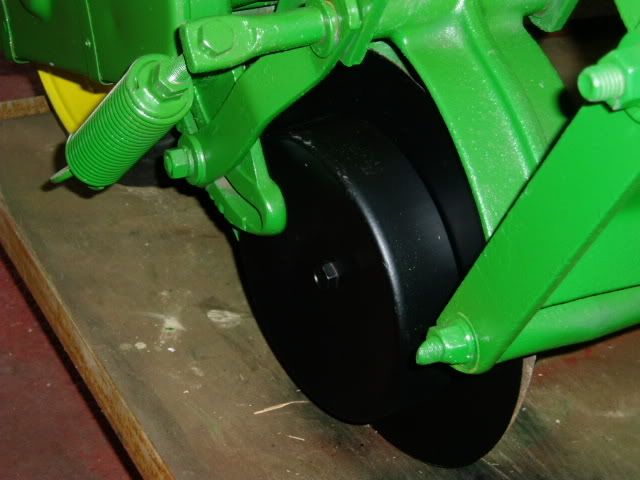
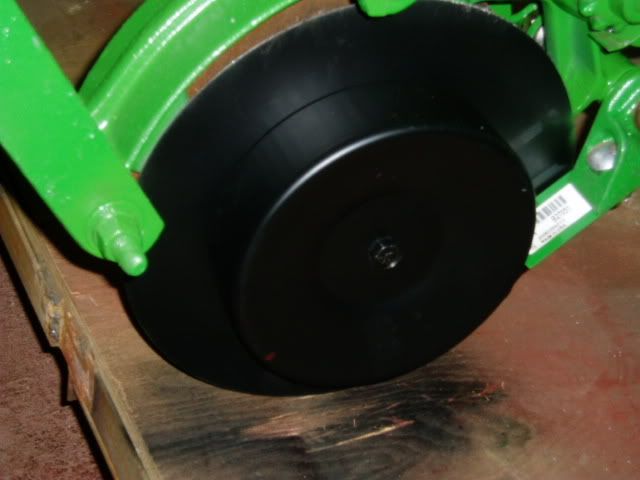
I'm still a rank amature with the paint, but there's ONE WAY to get better. PAINT MORE. I use acrylic enamel. I avoid alkyd enamels at all cost. (The stuff TSC sells) There's no point in going to all the trouble to sand and prep and paint and detail and....ect, then use a paint that'll last 3 or 4 years before it begins to fade and wash off.
The prep work is the key. Paint is only as good as the surface it's applied to. Rust has to go. Sand, sandblast, wire wheel, rust converter, whatever it takes. I want CLEAN METAL. Then a GOOD epoxy primer. I use PPG brand automotive grade primers. I USUALLY use light grey. It covers easier than dark grey or red. Prime, sand, prime again, sand again, ect, until the surface is as slick as you want the FINISH to be. Paint, when applied correctly won't hide flaws. It's not thick enough to substitute for doing the prep right.
I use the same reducer (thinner) in the primer as I'll use in the finish coat. Generally, I use PPG or DuPont enamel reducers. Mix types and sometimes you'll get an adverse reaction. That will bring tears to your eyes after spending a month getting a hood slick as glass just to have the final coat raise the primer underneath it.
Whenever possible, I use OEM paints. (ie paint from John Deere on a Deere piece, ect) They tend to sell premium grade enamels, but NOT high tech super finishes. I want the tractor to look like a NEW tractor, and NOT like a $1,000,000 show car. Slick and a decent shine is plenty to aspire to. While on the subject, Deere's paint is about as good as ANY paint I've ever used and it's VERY competitively priced. (The red from AGCO/MF is rather difficult at times. Doesn't like to cover without multiple coats)
I use (sparingly) Valspar (TSC) hardener. I bought a fresh air system several years ago. (Some people will tell you a LITTLE hardener (Icocyanites ---sp?) won't hurt you. Don't listen. A "little' gave me symtoms of asthma for several years after breathing for just a few minutes) Hardener gives you gloss and a tougher finish. Too much will make the paint subject to chipping. I avoid the more technical 2-part paint "systems". I just don't know enough yet to be using that grade of paint. Stay with what you understand.
I use a smaller (5hp) Campbell Hausfeld compressor, a GOOD water trap, a good grade of regulator, and 2 different guns. Both are HVLP types. One is my primer gun. It's a HUSKEE (Home Depot) $79 model. It throws primer as good as anything. For the finish, I've got a Sharpe "Platinum" (model) HVLP gun that is much more adjustable than the cheaper gun.
My shop is heated with a combination of kerosene heaters and a wood stove. I have to get the shop as warm as possible, shut down the open flame, paint, wait until the fumes clear, then re-light the heat. I can't paint with outside temps below 35 or 40 and still hold sufficient temps inside. In some ways, I prefer to paint in cooler weather. Around here, the humidity is lower and there's no flying insects to deal with. (Don't ask.... That issue gets me rather wound up)
Start simple, paint implements that don't need a super slick finish, then work your way up to sheet metal. Go slow. Once there's a problem, stop. You can't throw more paint on a mistake and make it go away.
PRACTICE PRACTICE PRACTICE.