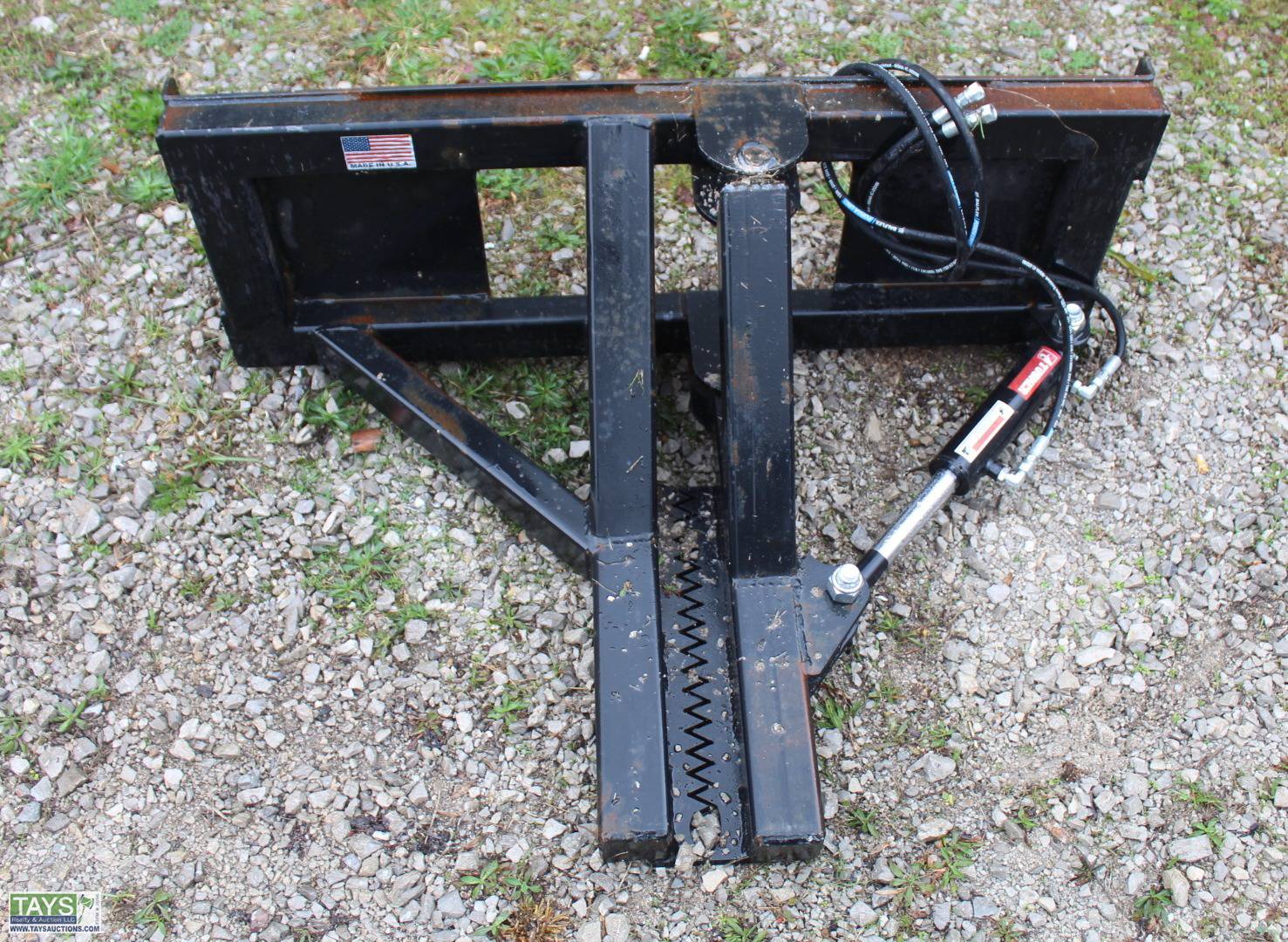
If the hydraulic lines of the tree puller are exposed to the weather without any protective caps or quick couplers, it's likely that dirt, debris, and water may have entered into the system, which could cause significant damage to your tractor's hydraulic system if not properly flushed out.
Here are the steps you can take to flush the lines and cylinder:
- Wear appropriate personal protective equipment, such as gloves and safety glasses, when working with hydraulic systems.
- Obtain a hydraulic system flush solution from your local hydraulic parts dealer or hardware store.
- Disconnect the hydraulic lines from the tree puller, using appropriate wrenches or pliers.
- Place the disconnected ends of the hydraulic lines into a bucket or container to catch any fluid that may drain out during the flush process.
- Connect the hydraulic lines to a flush cart or bucket filled with the hydraulic flush solution.
- Operate the tree puller's cylinder to circulate the flush solution through the hydraulic lines and cylinder for at least 10-15 minutes.
- Disconnect the hydraulic lines from the flush cart or bucket and allow them to drain into the catch container.
- Refill the hydraulic system with fresh hydraulic fluid of the appropriate type and viscosity recommended by the tree puller's manufacturer.
- Reconnect the hydraulic lines to the tree puller, ensuring that the connections are tight and secure.
- Check the hydraulic system for leaks or other issues before operating the tree puller.
It's essential to follow the manufacturer's instructions and guidelines for your tree puller's hydraulic system, as they may vary from model to model. If you're unsure about any aspect of the flushing process or have concerns about your tree puller's hydraulic system, it's recommended to seek professional advice from a
hydraulic system expert or the manufacturer's customer support.