MrZukerman
Bronze Member
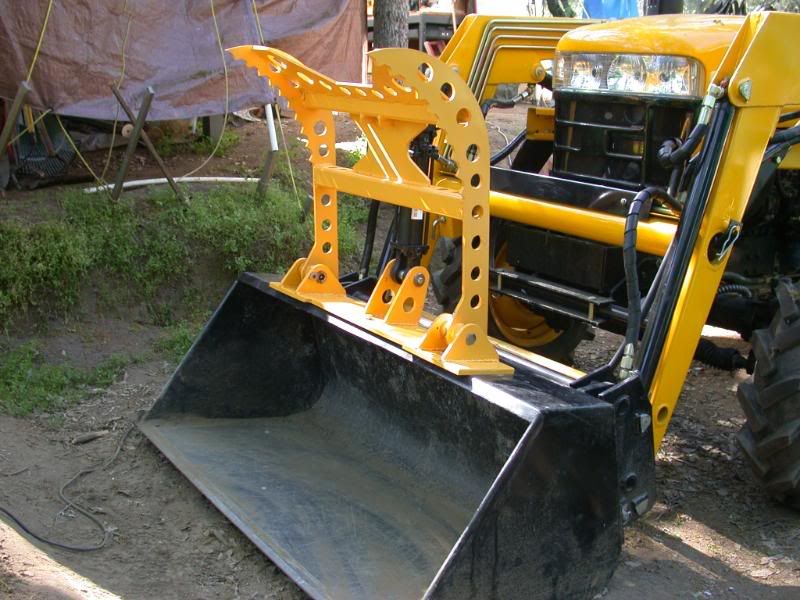
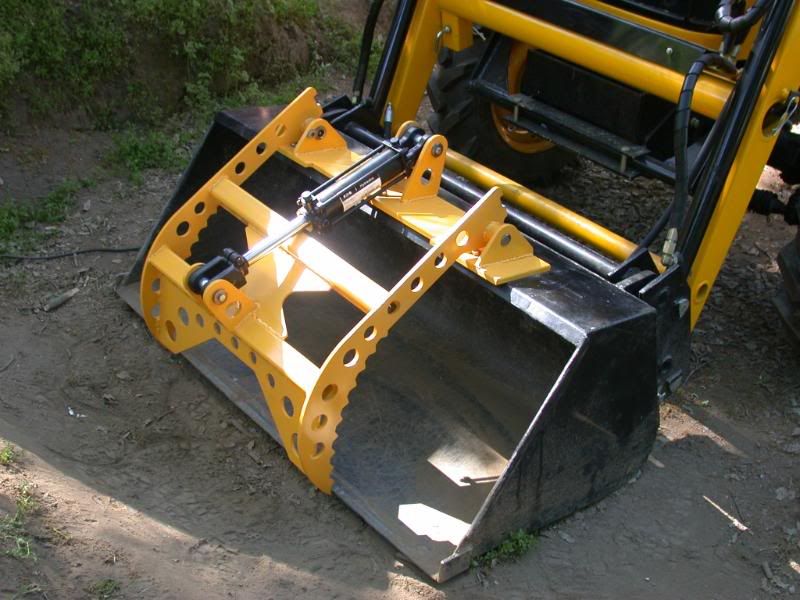
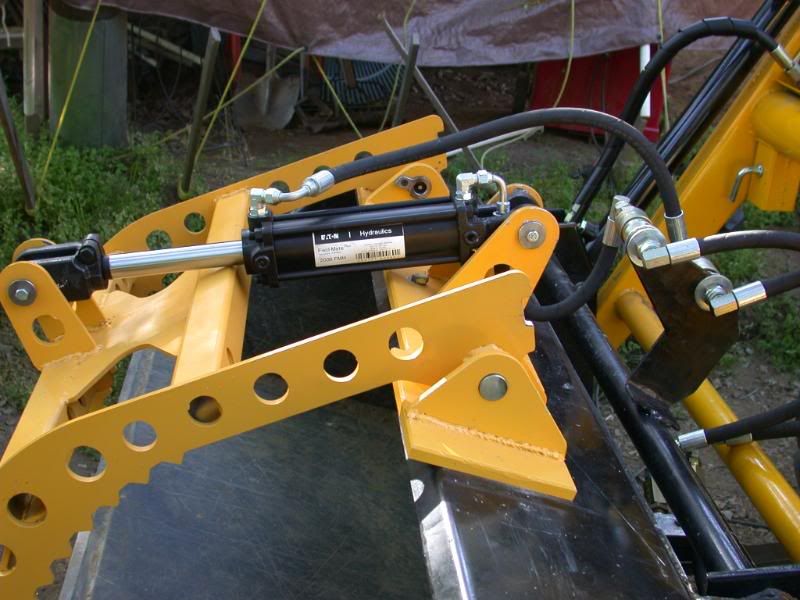
Just built a grapple to bolt to the top of my bucket but not sure how to determine were to mount the cylinder as far as angles and distances from the pivot points of the arms, any help would be appreciated.

Just built a grapple to bolt to the top of my bucket but not sure how to determine were to mount the cylinder as far as angles and distances from the pivot points of the arms, any help would be appreciated.

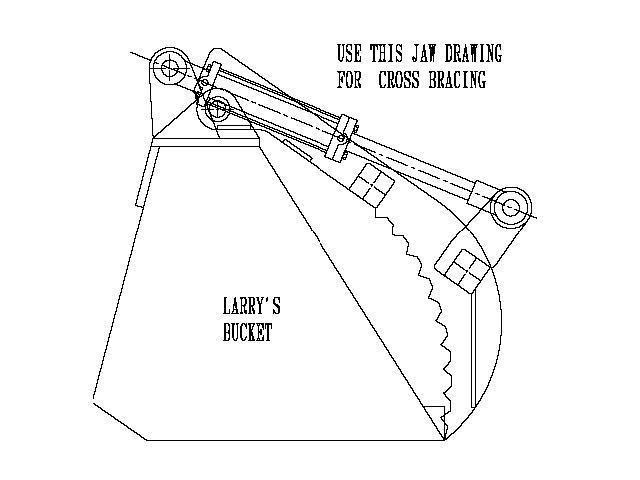
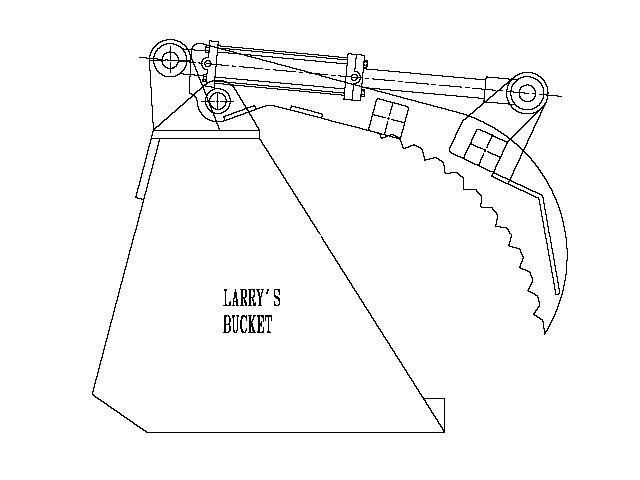
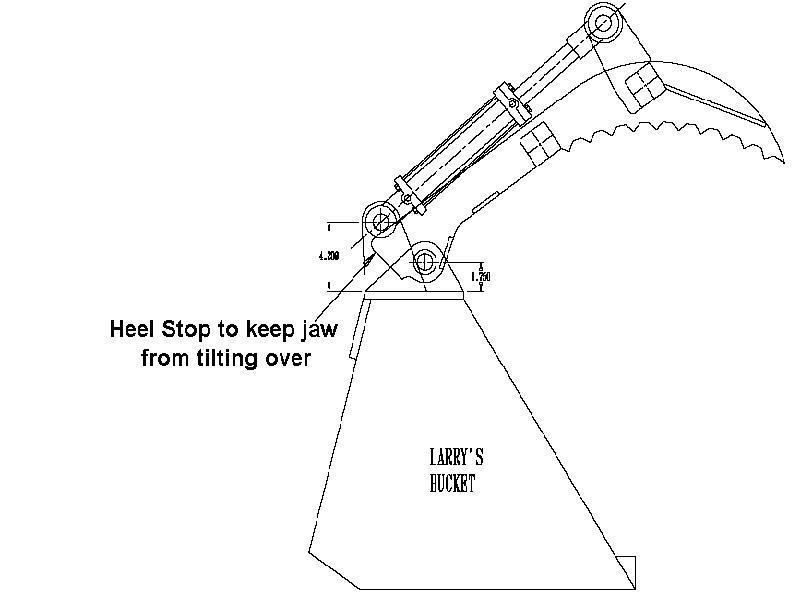
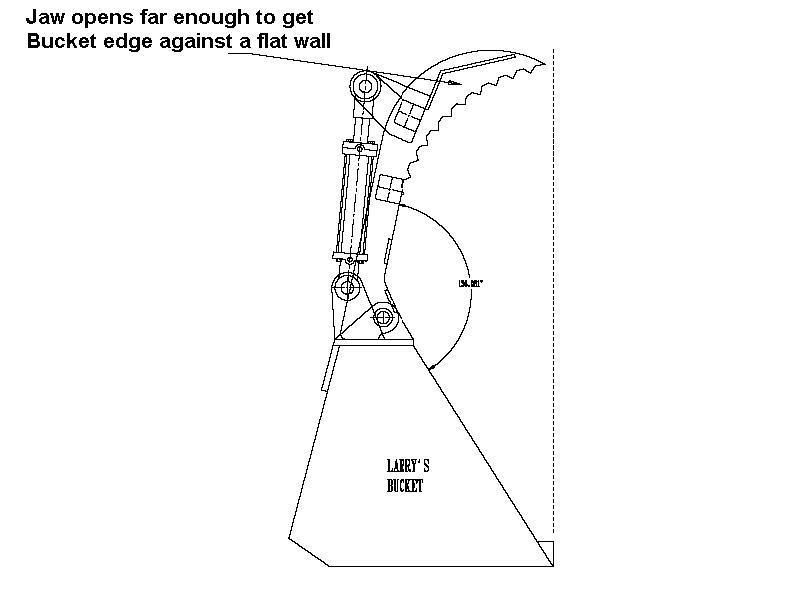


 ) But I can tell you that if I had mounted mine the same way my bucket would now be "toast"
I figured out by taking two plastic pipes. One fit inside the other.
I had the stroke marked on the pipe. I slide the pipe back and forth until I found out my stroke and my locations. Crude, but worked.


